Our products
Reliability, efficiency and sustainability — combined in an innovative coil solution.
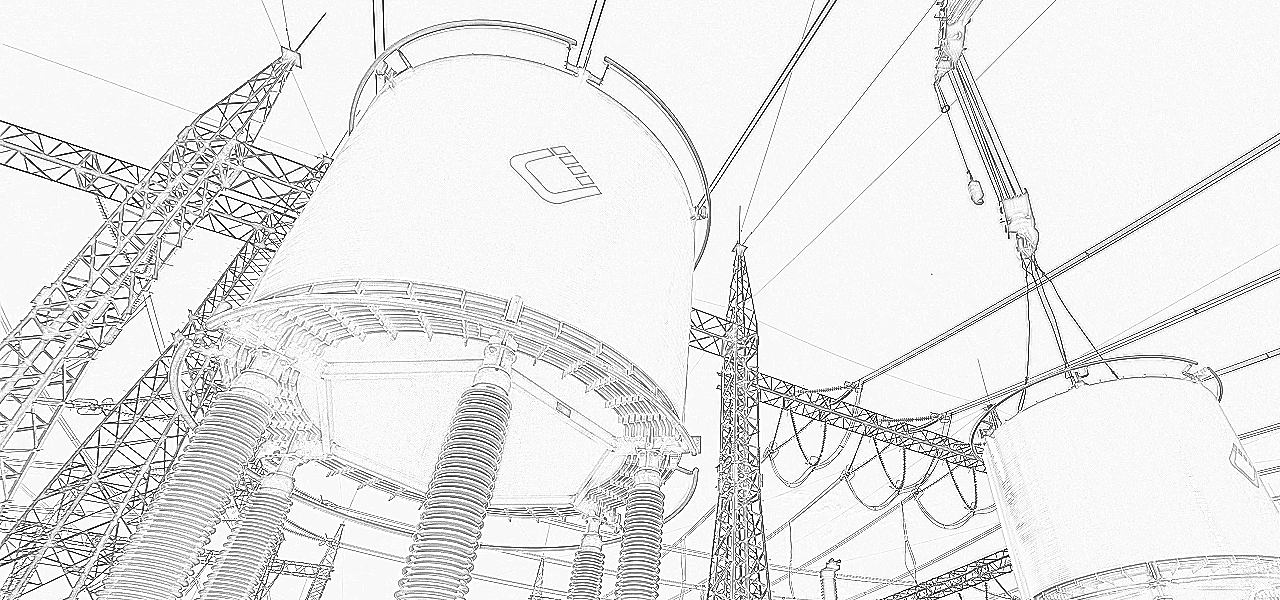
COIL Innovation’s air-core dry-type reactors are used wherever electrical energy must be transmitted or distributed safely, efficiently and reliably. They are a key component of modern power supply and industrial systems, making a significant contribution to the protection and performance optimization of electrical networks.
Innovative thinking.
Sustainable action.
We act globally, think beyond borders, and set the highest standards for long-term, sustainable success.
The highest technical standards for our customers
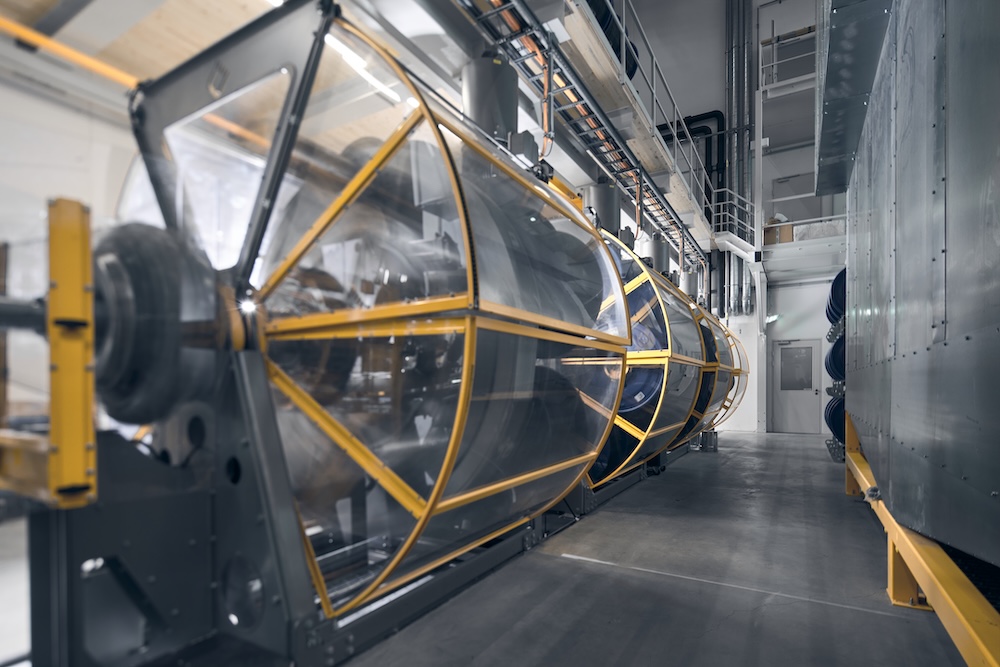
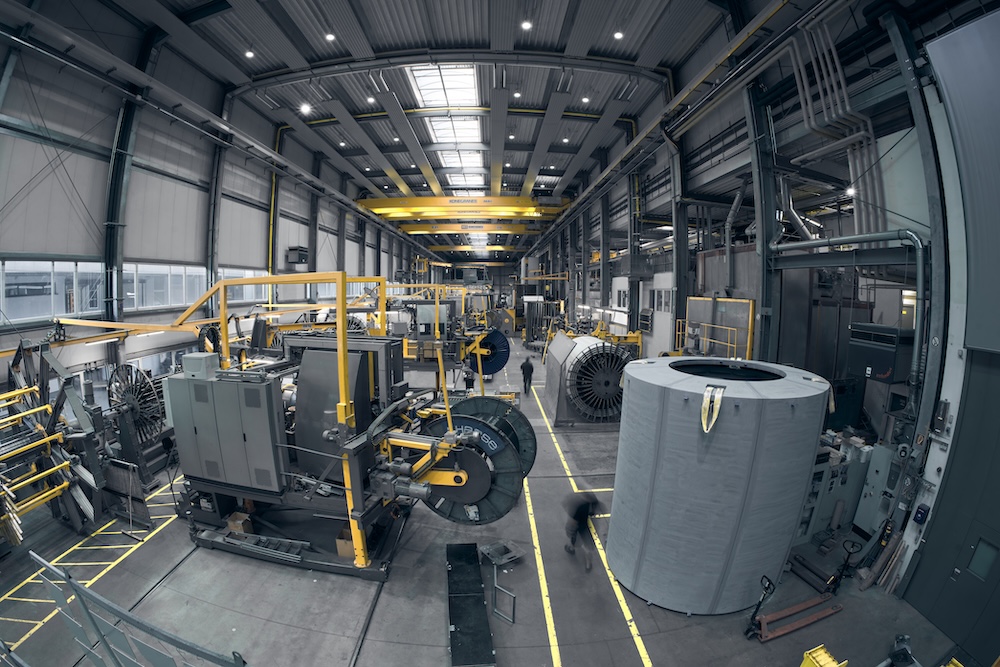
COIL Innovation stands for durable, sustainable and high-performance coil solutions tailored to customer needs — engineered for the electrical energy systems of today and tomorrow.
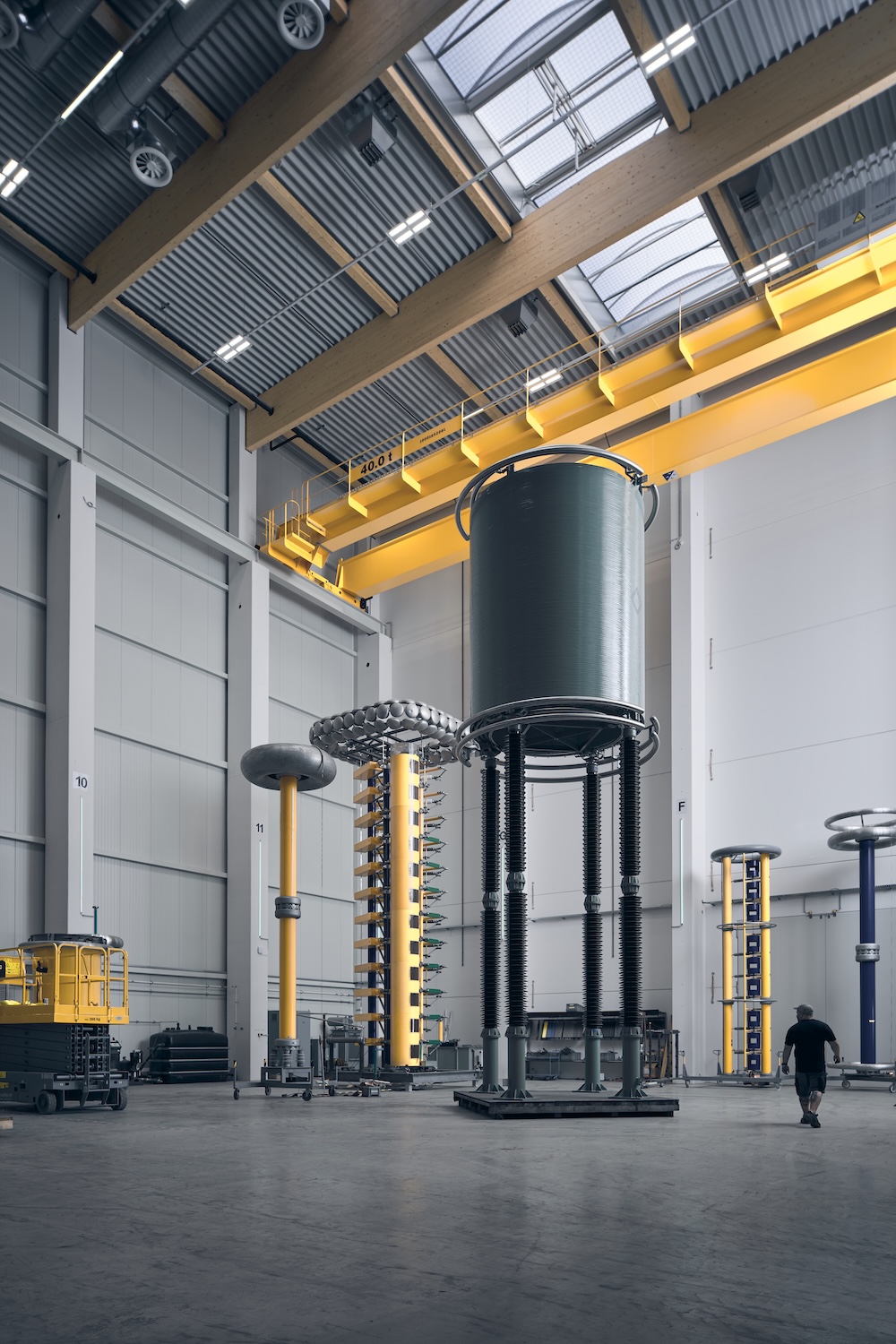
Air-core reactors represent linear electrical performance, high technical stability, and economic advantages throughout their entire life cycle. Our dry-type, outdoor-rated solutions are designed for the highest power ratings and voltage levels – including special applications. They are environmentally friendly, fire-safe, virtually maintenance-free, and provide maximum operational reliability.
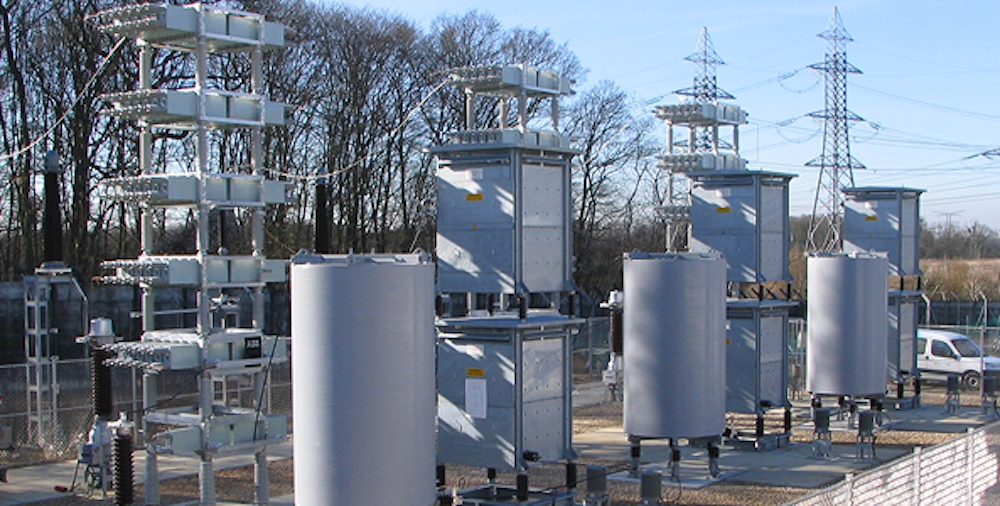
Complementary Applications
Air‑core reactors can be used in a wide range of applications, including harmonic filters, short‑circuit current limitation in medium‑voltage feeders or ground‑fault currents, and limiting the rate of change of current.
Implemented as:
- Neutral Grounding Reactors
- Filter Reactors
- Test Reactors
- Special Applications
COIL Innovation develops and manufactures a broad range of air‑cooled reactors for medium‑ and high‑voltage applications. These include:
Neutral grounding reactors, installed between the transformer neutral and earth to limit ground‑fault currents and enhance grid safety.
Filter reactors, used together with capacitors and resistors in filter systems to reduce unwanted harmonic currents through defined filter characteristics.
Test reactors for high‑voltage and high‑power laboratories, used for current limitation or in synthetic test circuits for the development and quality assurance of circuit breakers and power electronic components.
COIL Innovation also provides specialized solutions such as arc‑suppression reactors, reactors for railway mobility applications, duplex coils and further custom designs.
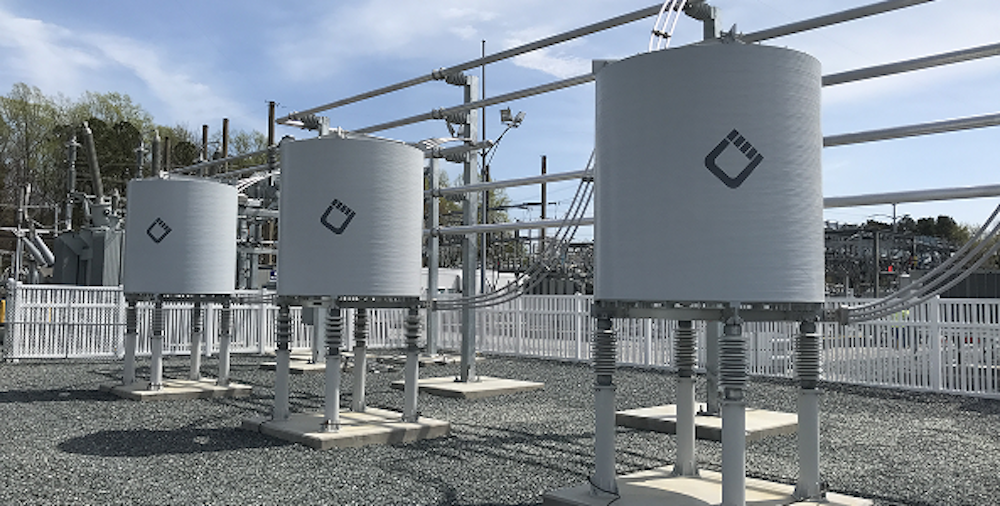
FACTS
FACTS systems are used to flexibly and rapidly regulate power flow, voltage and system stability in AC transmission networks. They increase the transfer capacity of existing grids, improve network stability, and reduce losses and disturbances. Different types of air‑core reactors are used depending on the system.
Implemented as:
- MSCDN (Mechanically Switched Capacitor with Damping Network)
- Phasen Reactors
- TCR
- Special Applications (TCSC,
- MSR)
COIL Innovation supplies:
MSCDN reactors, which limit inrush currents, damp oscillations and resonances, reduce harmonics, and increase operational and system stability.
Phase reactors for STATCOMs, protecting converters from overcurrents, providing precise reactive‑power control, attenuating high‑frequency harmonics, ensuring stable control behavior, and shielding the grid from steep voltage and current transients generated by power electronics.
TCR reactors, the central component of the controllable reactive‑power branch in SVC systems, enabling fast, stepless and secure AC‑voltage regulation.
MSR reactors, providing robust, stepped inductive reactive power with low design complexity, ensuring stable grid voltages.
TCSC systems, featuring a series capacitor bank with a parallel thyristor‑controlled reactor, enabling stepless adjustment of the electrical line length and highly flexible capacitive‑reactive power control.
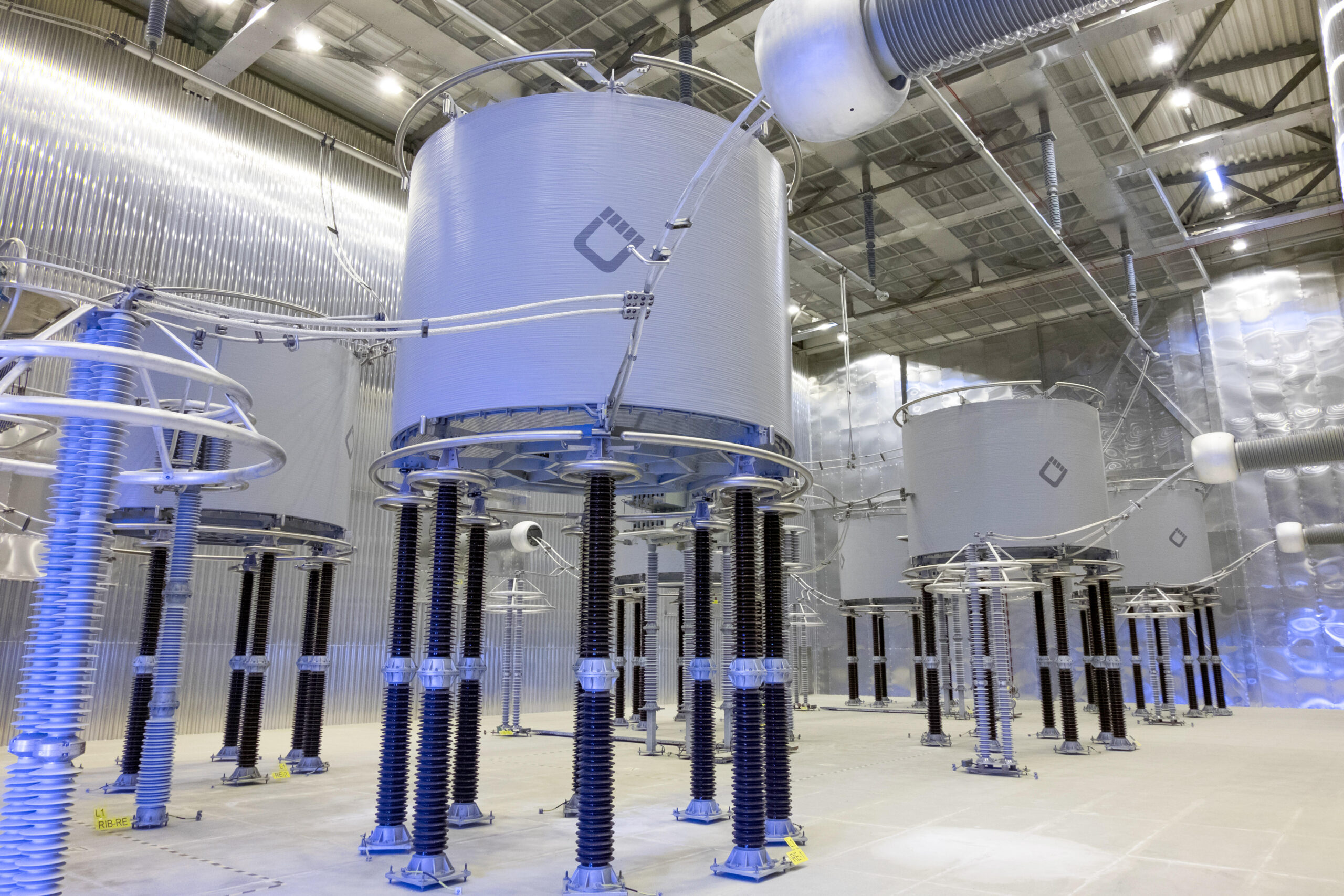
HVDC
HVDC systems enable efficient long‑distance power transmission onshore or via submarine cables, integration of offshore wind farms, and stable interconnection of electrical grids. Multiple types of air‑core reactors are used in these systems.
Implemented as:
- DC Smoothing Reactors
- Phase/Arm/Converter Reactors
- Filter Reactors
- PLC-Reactors
- Damping Reactors
- High frequency Reactors
COIL Innovation offers a broad range of reactors for HVDC and power‑electronics applications, which can be divided into several functional categories. DC smoothing reactors are installed on the DC side of the system to effectively reduce current ripple, influence resonance frequencies in a favorable way, and thereby increase the overall stability of the HVDC link. In fault conditions, these reactors also limit the maximum possible fault current and protect sensitive semiconductor components such as thyristor valves from transient overvoltages, for example those caused by grid disturbances or lightning events. For modular, multi‑arm converters, phase, arm and converter reactors are used. Their role is to limit internal circulating currents between converter arms, reduce the rise of DC fault currents, decouple individual control loops, and enable precise control of active and reactive power. At the same time, they act as inductive protection for the valve modules against transient phenomena originating from the AC network, ensuring stable dynamic behavior of the converter as a whole. In relation to power‑quality performance, filter reactors are utilized. These are typically combined with capacitors and resistors to form filter circuits that produce a defined harmonic response. They block harmonic currents or divert them through low‑impedance paths to ground, thereby improving current quality on both the AC and DC sides and reducing harmonic distortion typically produced by power‑electronic converters. COIL Innovation also manufactures specialized PLC reactors, damping reactors and high‑frequency reactors, each optimized for specific frequency bands or damping requirements. As series‑connected components, they provide high impedance at selected high‑frequency ranges, preventing the penetration of high‑frequency harmonics into either the AC or DC system. In doing so, they stabilize the operation of HVDC installations and power‑electronic systems, support the reliable transmission of sensitive control signals, and effectively damp undesired resonance phenomena within the wider system.
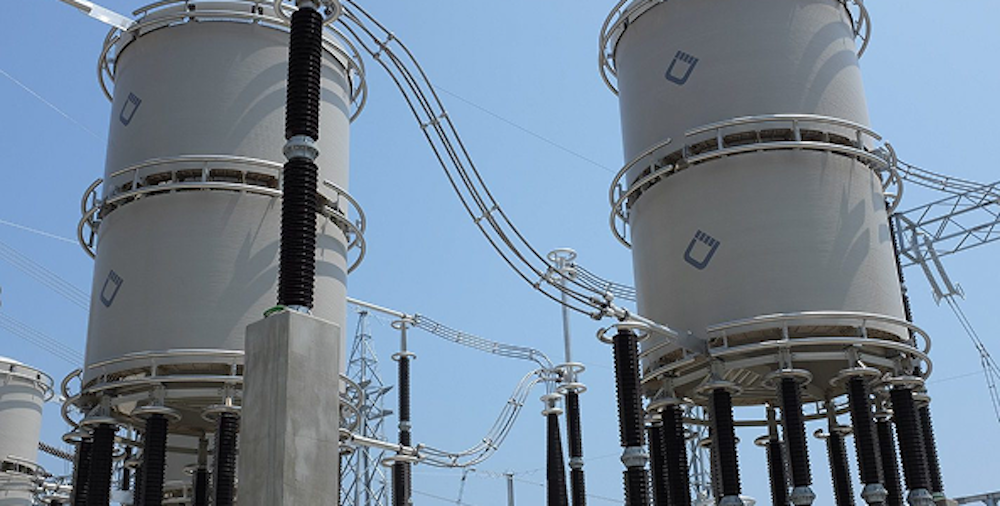
HV Current Limiting Reactors
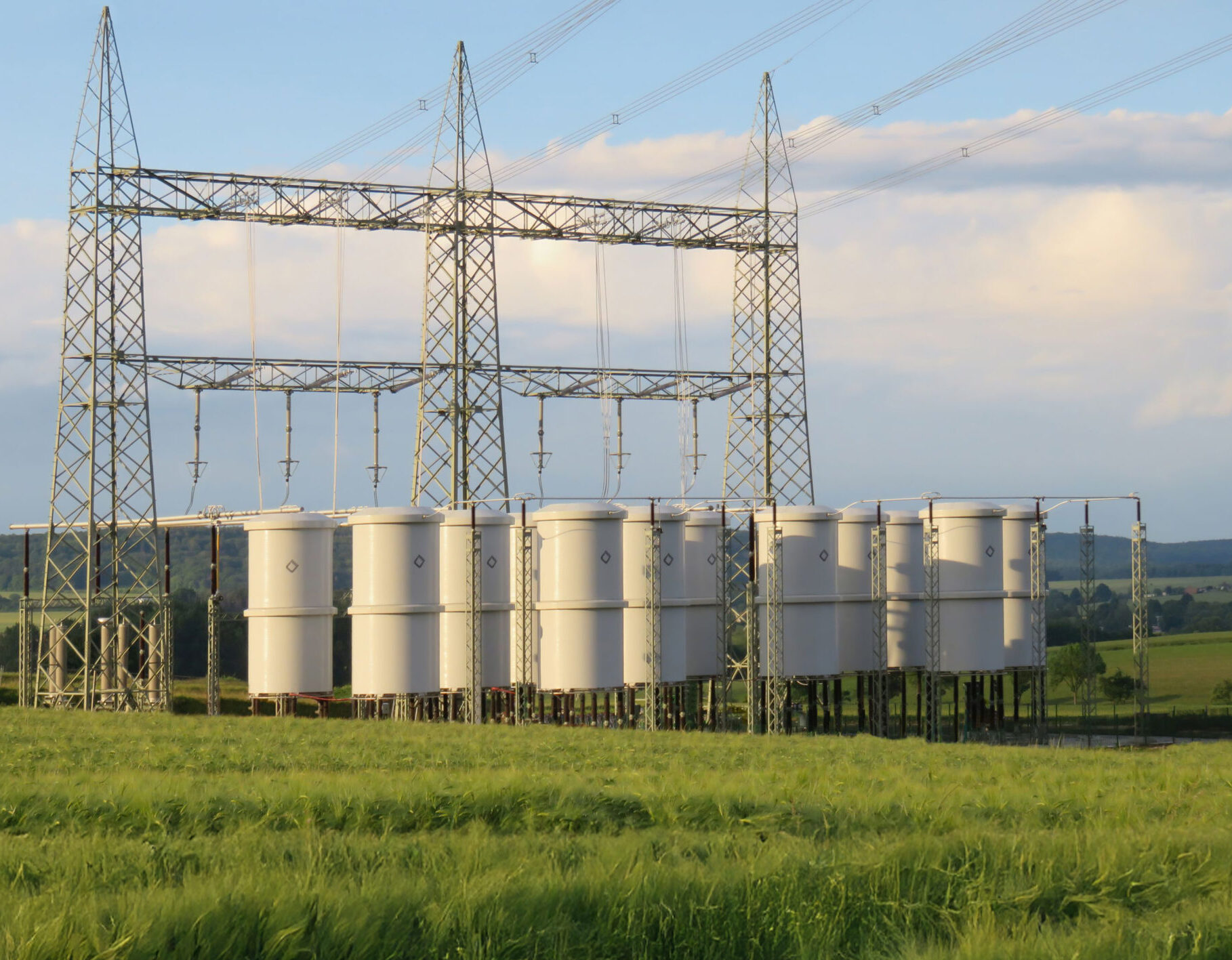
Current‑limiting reactors intentionally increase circuit inductance, slowing current rise and reducing maximum short‑circuit current. This relieves switchgear, transformers, power electronics and cables.
Applications include load‑flow regulation, load balancing and bus‑coupling. Installable at voltages up to 765 kV AC.
HV Shunts
Compensation reactors specifically influence the voltage level by offsetting the capacitive reactive power present in the electrical network with inductive reactive power, thereby ensuring a stable system voltage. High‑voltage shunt reactors feed directly into high‑ and extra‑high‑voltage grids.
High‑voltage shunts are connected directly to the high‑voltage system and may be designed with either fixed or variable inductance. Their design requires extensive expertise in high‑voltage engineering, transient electrical phenomena, environmental influences, mechanical requirements and conservative design limits to ensure safe, reliable and long‑term operation.
MV Shunts
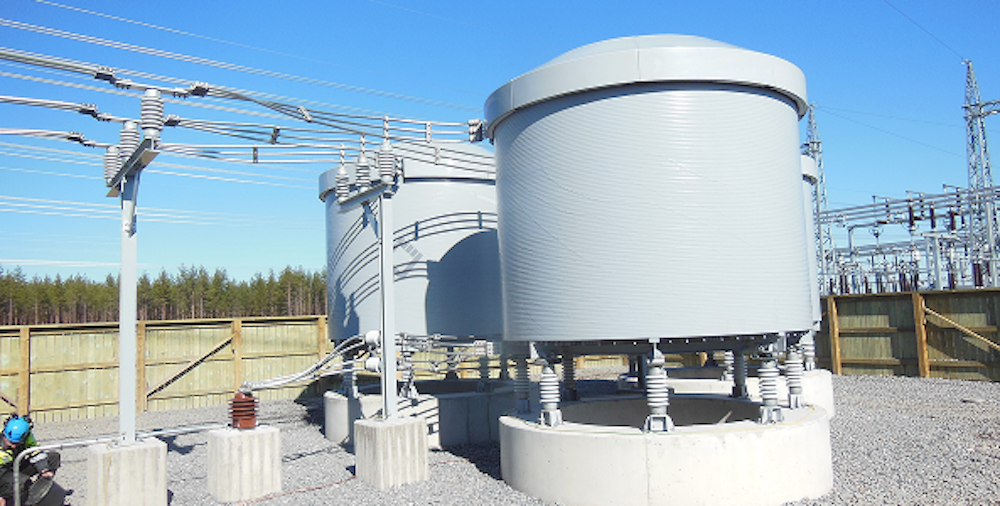
Compensation reactors specifically influence the voltage level by offsetting the capacitive reactive power present in the electrical network with inductive reactive power, thereby ensuring a stable system voltage. High‑voltage shunt reactors feed directly into high‑ and extra‑high‑voltage grids.
These types of compensation reactors are either connected to the tertiary winding of a transformer or directly to the medium‑voltage system. They are designed for voltage levels up to 60 kV.
Line-Traps
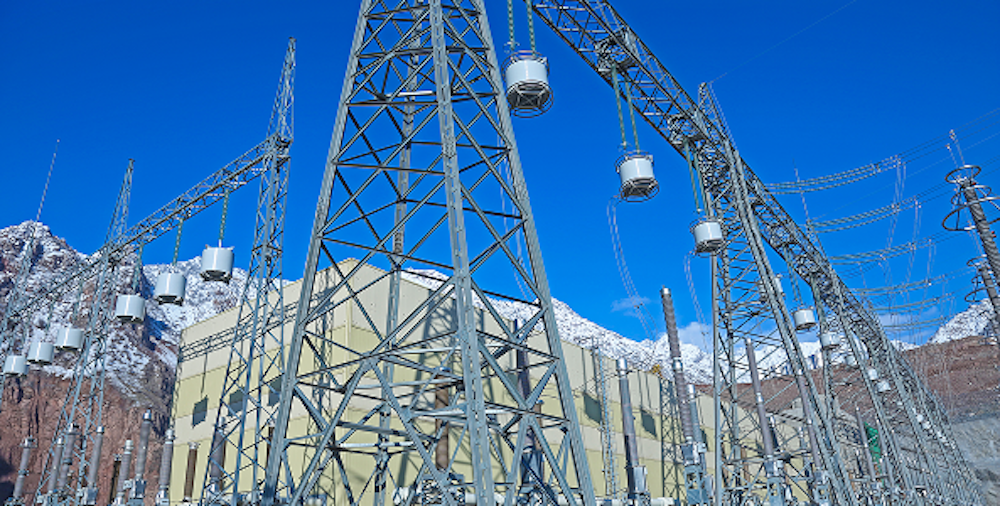
Line traps are reactors installed in high‑voltage transmission lines to block high‑frequency communication signals while ensuring that the power‑frequency current remains unaffected. These components prevent carrier‑frequency communication signals from leaving the line section for which they are intended, thereby safeguarding reliable communication over the transmission network.
Line traps incorporate electronic tuning units that define their blocking characteristics, ensuring that communication signals remain on the designated transmission path while electrical energy transport continues without interference. The international distribution of carrier‑frequency line traps manufactured by COIL Innovation is managed by ARTECHE, a Spain‑based company that holds an exclusive agreement with COIL Innovation for a large portion of the global market.